
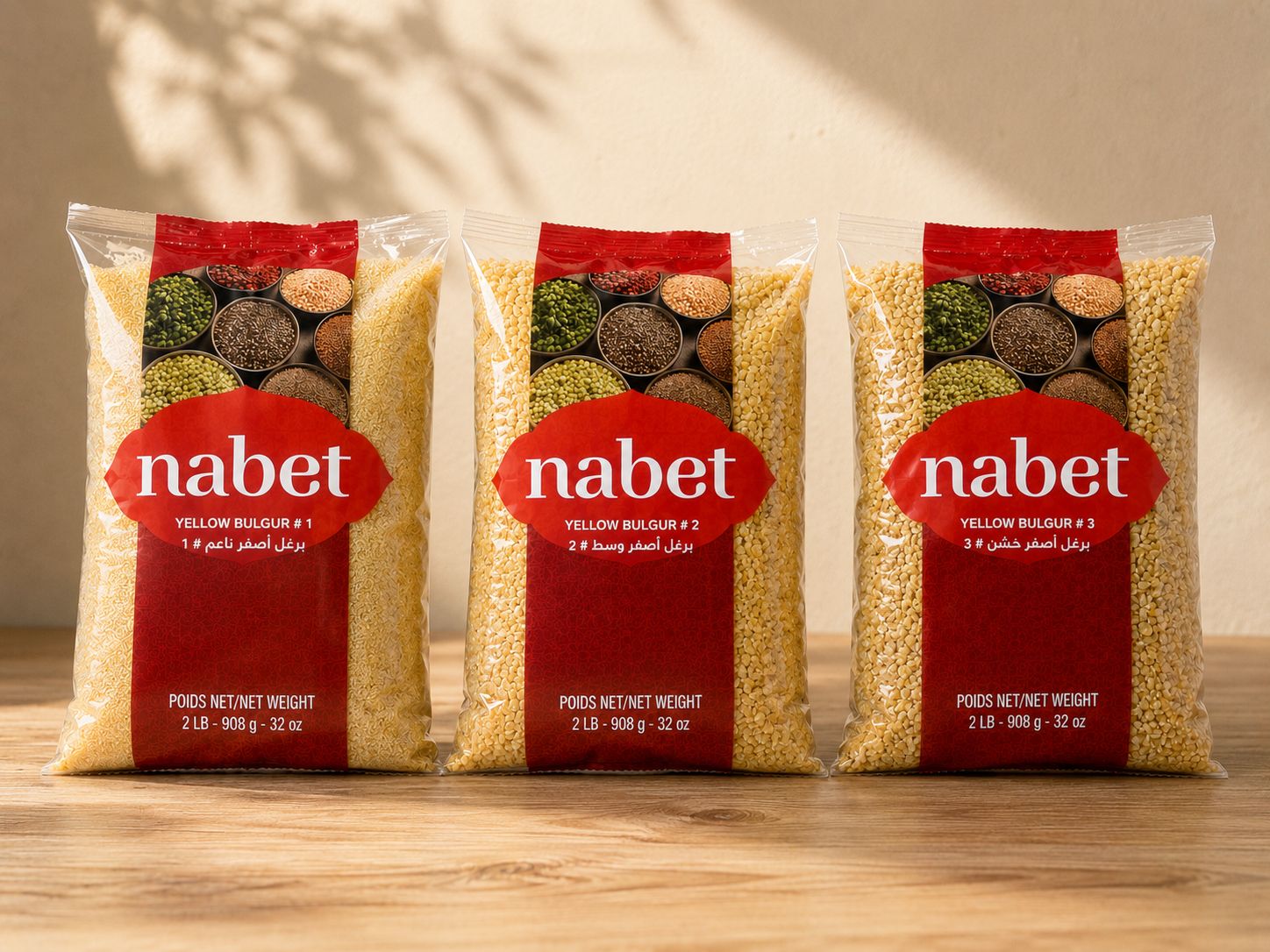
Which Bulgur Should You Use?
A Simple Guide to Fine, Medium, and Coarse Bulgur
Bulgur has been part of Middle Eastern kitchens for generations. It is simple, filling,
affordable, and incredibly versatile. From fresh tabbouleh shared at family gatherings to
warm tomato bulgur pilaf served beside dinner, bulgur is one of those staple ingredients
that always brings comfort to the table.
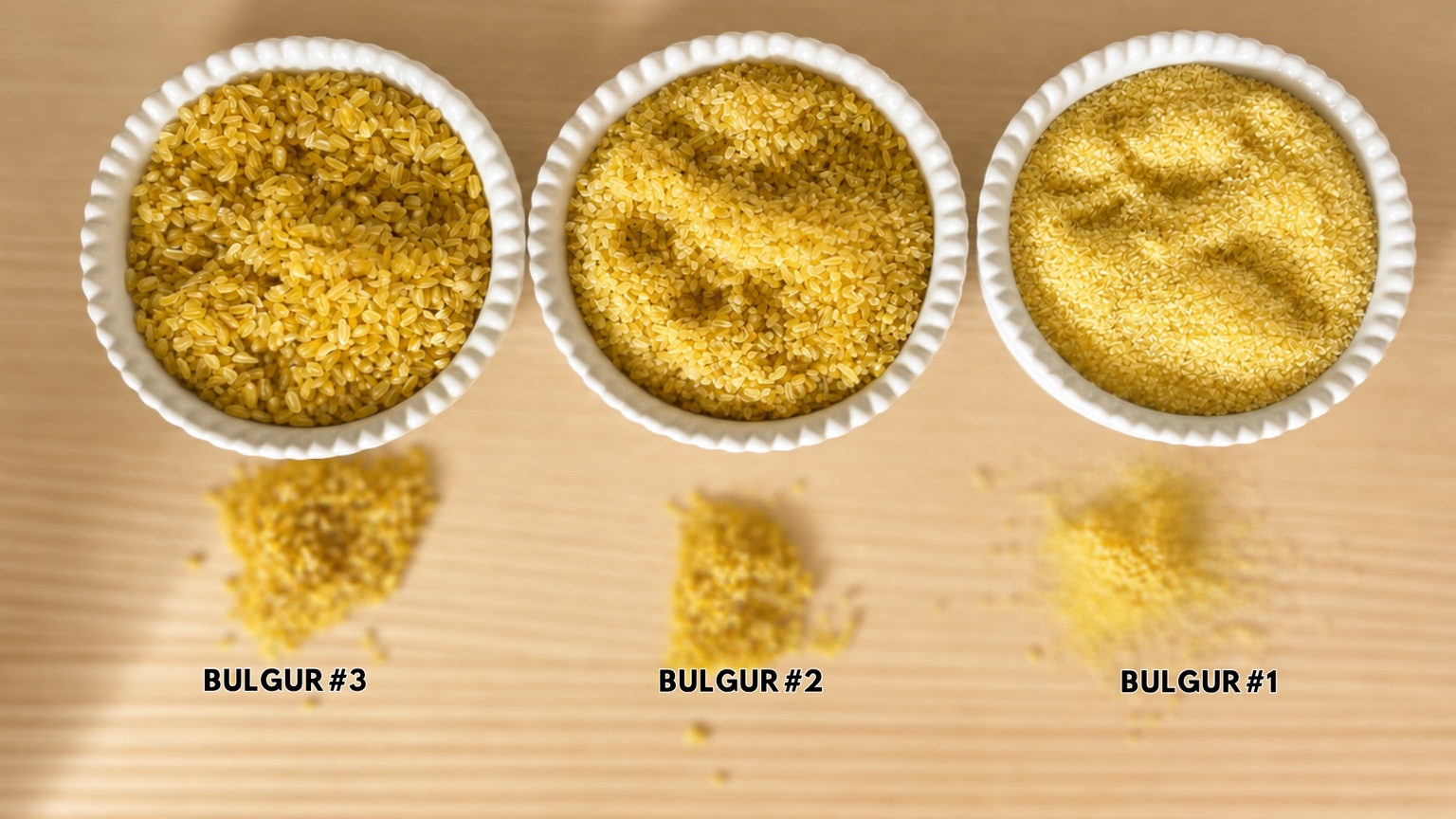
If you have ever struggled to choose between fine, medium, and coarse bulgur, you are
not alone. Each variety has its own texture, cooking style, and ideal uses, and choosing
the right one can make a big difference to your final dish.
This guide breaks down the differences in a simple and approachable way so you can
confidently cook with any type of bulgur.
What Is Bulgur?
Bulgur is made from wheat kernels that are parboiled, dried, and cracked into different
grain sizes. Because it is partially cooked beforehand, it prepares much faster than
many other grains while still offering a mild, nutty flavour and hearty texture. Bulgur is a
staple in Syrian and Lebanese cuisine. It has long been used in everything from fresh
salads to warm family meals, and today it is becoming increasingly popular in Canadian
kitchens thanks to its versatility, nutritional value, and ease of preparation.
People love bulgur because it is:
Quick to prepare
Budget-friendly
High in fibre
Great for meal prep
Easy to pair with vegetables, herbs, meats, and spices
Quick Guide to the 3 Types of Bulgur
Fine Bulgur (#1)
Fine bulgur is the smallest variety, with tiny grains that soften quickly
after soaking. Its light texture makes it ideal for fresh dishes where the
bulgur should blend smoothly with herbs, vegetables, and dressings
rather than stand out on its own.
Quick Overview:
How to Prepare It
- Rinse the bulgur under cool water.
- Add the bulgur to a bowl and pour boiling water over top.
- Cover and let sit for 10–15 minutes until softened.
- Fluff gently with a fork before serving.
dry pantry. Once cooked, refrigerate leftovers in an airtight container for up to 4 days.
Common Uses: Fine bulgur is most commonly used in Lebanese tabbouleh, where its
delicate texture absorbs lemon juice and olive oil beautifully while remaining light and
fresh. It also works well in herb salads, light grain bowls, and stuffing mixtures. Its mild
flavour and quick preparation also make it an excellent alternative to couscous or
quinoa in fresh salads and everyday meals.
Medium Bulgur (#2)
Medium bulgur offers a balance between softness and chewiness,
making it one of the most versatile options to keep in the pantry. It cooks
quickly but still holds its shape well, making it suitable for both warm and
cold dishes.
Quick Overview:
How to Prepare It
- Rinse the bulgur under cool water.
- Add the bulgur and water to a pot.
- Bring to a boil, then reduce heat and cover.
- Simmer for 10–15 minutes until tender.
- Fluff gently with a fork before serving.
cool, dry pantry. Once cooked, refrigerate leftovers in an airtight container for up to 4
days.
Common Uses: Medium bulgur is often used in veggie burgers, grain bowls, stuffed
vegetables, warm salads, and traditional pilaf dishes. Its slightly firmer texture helps add
substance to meals without feeling too heavy, making it a versatile option for everyday
cooking. It pairs especially well with lentils, chickpeas, roasted vegetables, and fresh
herbs. Make sure to check out our Tomato Bulgur Pilaf recipe for a classic way to
enjoy medium bulgur!
Coarse Bulgur (#3)
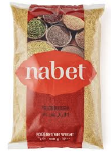
Coarse bulgur has the largest grains and the heartiest texture. It is
commonly used in dishes made with lentils, onions, broth, or
seasoned meat. Its larger grain size helps it hold its shape well during
cooking, making it ideal for rich and filling meals.
Quick Overview:
How to Prepare It
- Rinse the bulgur under cool water.
- Add the bulgur and water to a pot.
- Bring to a boil, then reduce heat and cover.
- Simmer for 15–20 minutes until tender.
- Fluff gently with a fork before serving.
cool, dry pantry. Once cooked, refrigerate leftovers in an airtight container for up to 4
days.
Common Uses: Coarse bulgur is widely used in traditional dishes such as mujaddara,
kibbeh, and stuffed vegetables. Its hearty texture holds up well in slow-cooked and
richly seasoned meals, making it a staple ingredient in many Syrian and Lebanese
kitchens. It is especially popular in mujaddara, a comforting combination of lentils,
caramelized onions, and bulgur that has been enjoyed across Middle Eastern
households for generations.
Bringing Tradition to the Table
Understanding the differences between fine, medium, and coarse bulgur makes it easier
to choose the right texture and flavour for every recipe. Whether you’re making a fresh
bowl of tabbouleh or a warm tomato bulgur pilaf to share at dinner, each type of bulgur
will bring something unique to the table. At Nabet, we’re proud to bring traditional pantry
staples into modern kitchens, while helping families carry on recipes that have been
shared for generations.


No comment